
Exosome Hair Restoration
Advanced Hair Restoration Without Surgery
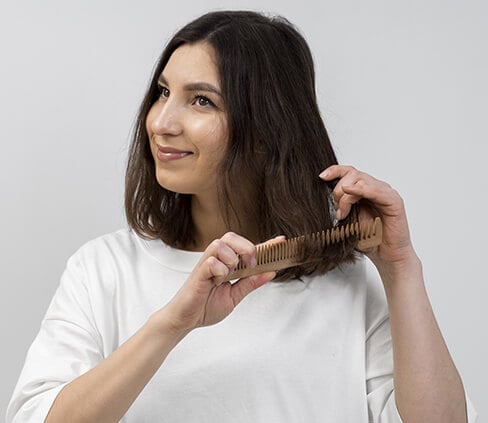
Experience the next generation of hair restoration with Exosome Therapy. This innovative treatment uses powerful growth factors and regenerative signaling molecules to support healthier hair follicles, improve scalp health, and encourage fuller-looking hair.
Whether you’re noticing thinning hair, excessive shedding, or early signs of hair loss, Exosome Hair Restoration may help you achieve thicker, healthier-looking hair with minimal downtime.
Benefits of Exosome Hair Restoration
Improve Blood Circulation to the Scalp
Exosome therapy helps support healthy blood flow to the scalp, delivering essential oxygen and nutrients to hair follicles. Improved circulation creates an ideal environment for stronger, healthier hair growth and overall follicle function.
Support Hair Follicle Regeneration
Exosomes contain powerful growth factors and signaling molecules that help support the natural repair and regeneration of damaged or weakened hair follicles. This can encourage healthier growth patterns and improve the long-term vitality of your hair.
Restore Confidence with Fuller-Looking Hair
As hair becomes thicker, healthier, and more resilient, many patients notice a significant improvement in their overall appearance. Fuller-looking hair can enhance self-esteem, helping you feel more confident in both personal and professional settings.
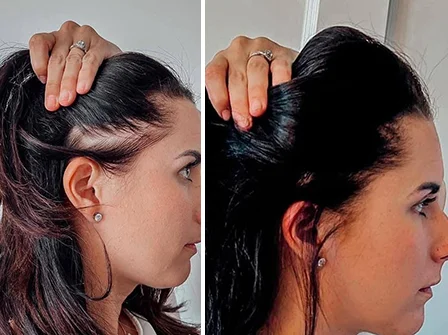
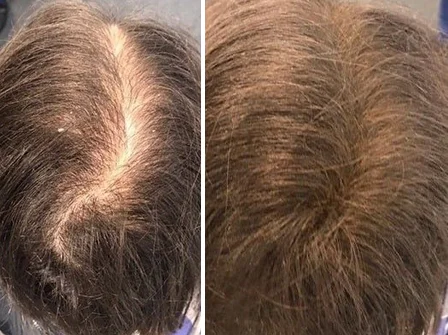
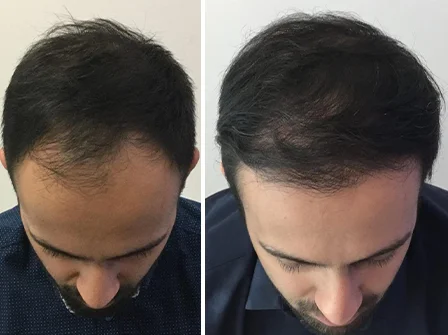
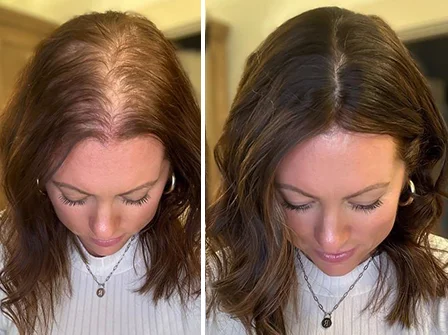
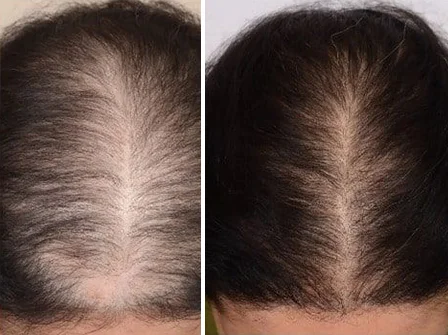
RESULTS
Before & After Transformations
Frequently Asked Questions
What are exosomes?
Exosomes are tiny extracellular vesicles that contain growth factors, proteins, and signaling molecules that support cellular communication and regeneration.
Is Exosome Hair Restoration painful?
Most patients report minimal discomfort during the procedure. Your provider will discuss comfort options during treatment.
How long does the treatment take?
Treatment times vary, but most appointments can be completed in less than an hour.
When will I see results?
Hair growth is gradual, and many patients begin noticing improvements in hair quality and density over the following months.
Is there any downtime?
Most patients can return to their normal activities shortly after treatment.